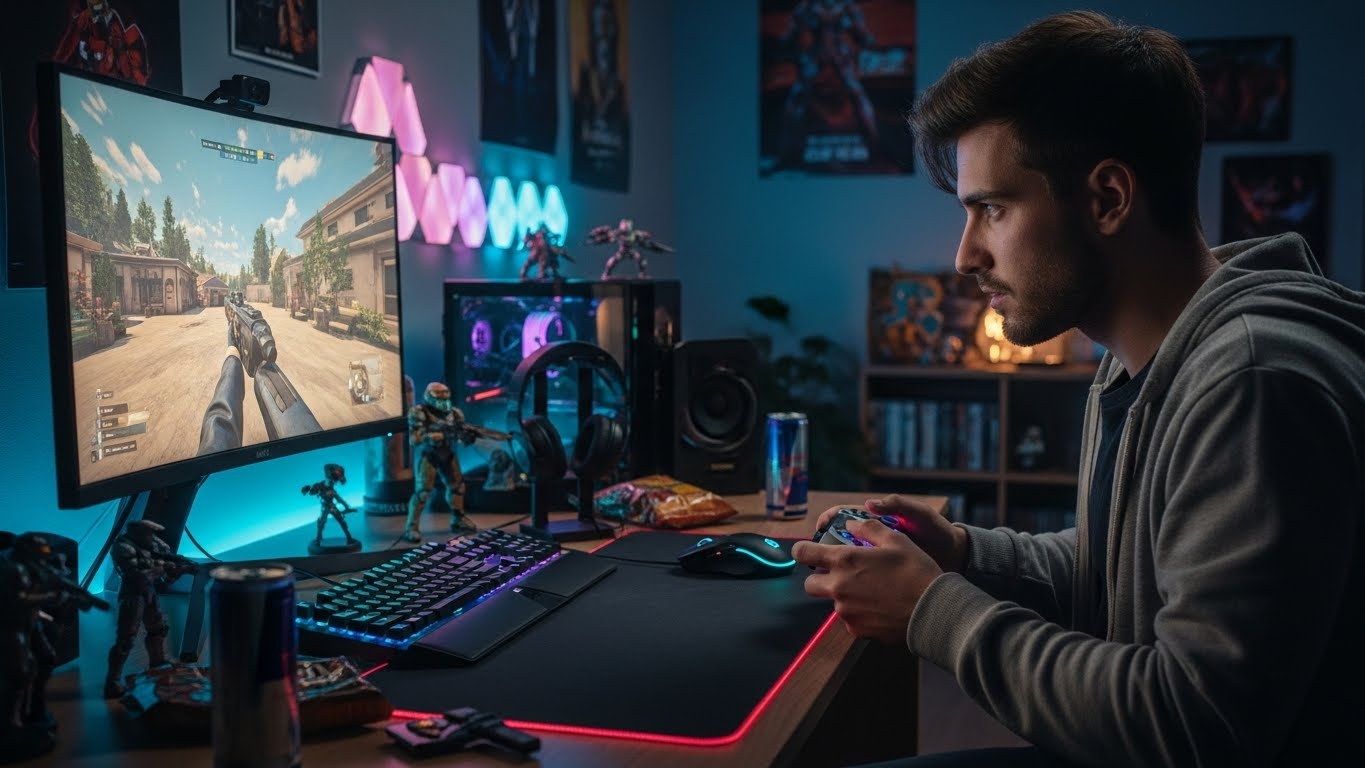
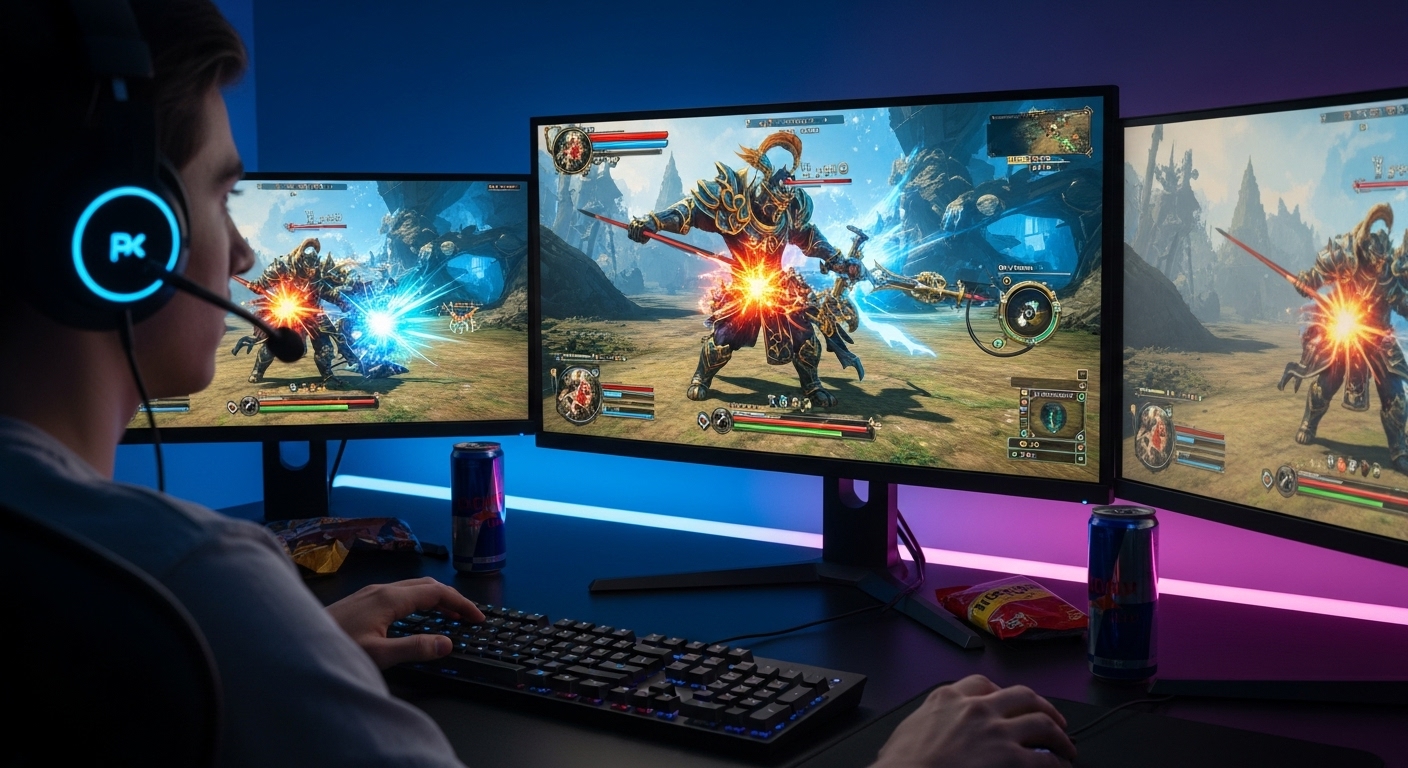
Gaming has come a long way from its humble origins. It has evolved into one of the most influential and lucrative entertainment industries in the world. Whether you’re someone who enjoys casual gaming or dives deep into virtual worlds for hours, the impact of gaming on our lives is undeniable. In this blog post, we’ll explore the journey of gaming, how it has transformed over time, and what makes it such a beloved pastime for millions.
The Birth of Gaming: The Golden Age of Arcades
The story of gaming begins with simple pixelated graphics and basic mechanics. In the late 1970s, the first arcade games like Pong and Space Invaders hit the market, marking the beginning of a new era of entertainment. These games were simple but fun, and their addictive nature drew people in from all walks of life. The allure of competing for high scores and mastering levels turned arcade rooms into social hubs, and gaming became a shared experience.
During this time, the concept of video games as a business began to take shape. The early home consoles, like the Atari 2600, made their way into households, giving people the opportunity to play games in the comfort of their living rooms. The launch of the Nintendo Entertainment System (NES) in the 1980s would later become a game-changer, solidifying gaming as a mainstream form of entertainment.
The 3D Revolution: From Flat Screens to Virtual Worlds
The 1990s marked a huge shift in the gaming landscape. Enter the era of 3D graphics. Games like Super Mario 64, The Legend of Zelda: Ocarina of Time, and Final Fantasy VII opened new dimensions in gaming, taking players into vast, fully rendered worlds. For the first time, players could explore environments from different angles, interact with the surroundings, and experience games in an entirely new way.
Consoles like the Sony PlayStation and Nintendo 64 played a major role in this shift, bringing cutting-edge graphics and immersive gameplay into the homes of millions. This period also saw a boom in storytelling and game design, as developers began to realize the potential of creating rich, complex narratives alongside the action.
The Rise of Online Gaming: Connecting the World
By the early 2000s, the internet began to play a crucial role in how we experienced games. Online multiplayer modes became the norm, and titles like World of Warcraft, Halo 2, and Counter-Strike revolutionized the way we interacted with other players. No longer confined to playing solo or with friends in the same room, gamers now had the ability to connect with people all over the world.
Online gaming gave birth to a new form of social interaction. Players could team up, compete, or chat in real-time, forming virtual communities with people they may never meet in person. It also marked the rise of competitive gaming, or esports, which has grown exponentially in popularity, attracting millions of viewers and offering multi-million-dollar prize pools.
Mobile Gaming: The Power of Play on the Go
The introduction of smartphones brought with it a revolution in the gaming world. Suddenly, gaming wasn’t something that required a console or a PC. With the rise of mobile games, everyone could game anywhere, anytime. Titles like Candy Crush Saga, Angry Birds, and Clash of Clans became household names, thanks to their easy-to-learn mechanics and addictive nature.
Mobile gaming introduced a new audience to gaming, including people who might never have picked up a console controller. The accessibility of mobile games, paired with the fact that they were often free to play, expanded the reach of gaming to people of all ages and backgrounds.
Moreover, mobile gaming has fostered the development of new business models, such as microtransactions and in-app purchases. This has created a more dynamic ecosystem for developers, allowing them to monetize their games in different ways and offer regular updates and new content to keep players engaged.
The Future of Gaming: VR, AR, and Beyond
The future of gaming looks incredibly exciting as new technologies continue to emerge. Virtual reality (VR) and augmented reality (AR) are pushing the boundaries of how we experience games. VR allows players to immerse themselves in 360-degree worlds, creating a sense of presence unlike anything seen before in gaming. Games like Half-Life: Alyx and Beat Saber have shown the immense potential of VR, offering experiences that are as engaging as they are innovative.
AR, on the other hand, blends the real world with the digital, allowing players to interact with virtual elements overlaid on their surroundings. Pokémon GO was a groundbreaking example of AR gaming, where players used their smartphones to catch Pokémon in real-world locations. This technology has endless possibilities for gaming, education, and entertainment, and we’re only scratching the surface.
As cloud gaming continues to evolve, the need for high-end hardware may soon become a thing of the past. With services like Google Stadia and Xbox Cloud Gaming, players can stream games directly to their devices, bypassing the need for expensive consoles or PCs. This has the potential to make gaming more accessible to a wider audience, as players will be able to enjoy high-quality games with just an internet connection.
The Cultural Impact of Gaming: More Than Just Play
Gaming is no longer just about playing a game—it’s a culture. The impact of video games extends far beyond the screen, influencing art, music, fashion, and even social movements. Iconic games like The Legend of Zelda, Super Mario, and Minecraft have shaped generations of players, creating communities, fan art, and memes that live on for years.
Gaming has also become a form of storytelling. The narratives within games have grown more sophisticated, tackling deep themes like mental health, morality, and the human condition. Games like The Last of Us Part II and Celeste use interactive storytelling to make players reflect on real-world issues in ways that are emotionally impactful and memorable.
Additionally, gaming has become a powerful social tool. With platforms like Twitch and YouTube, gamers can now stream their gameplay, creating communities where fans can watch, chat, and support their favorite streamers. Esports has turned into a global phenomenon, with competitive gamers becoming celebrities in their own right. These developments have helped solidify gaming’s place in mainstream entertainment, breaking down barriers between players and non-players alike.
Conclusion: Gaming as an Ever-Expanding Universe
Gaming has come a long way since its origins in arcades, and there’s no sign of it slowing down anytime soon. As technology continues to evolve, so too will the experiences we have as players. Whether through new forms of immersion, more interconnected experiences, or innovative storytelling, gaming will continue to captivate, entertain, and bring people together.
In the coming years, we can expect even more exciting developments as virtual reality, augmented reality, cloud gaming, and artificial intelligence take gaming to new heights. What began as a simple pastime has transformed into a global industry that is now shaping culture, society, and technology in ways that we could never have imagined. The world of gaming is vast, and for anyone willing to step inside, there’s a universe waiting to be explored.