Introduction: The Rise of a Cultural Phenomenon
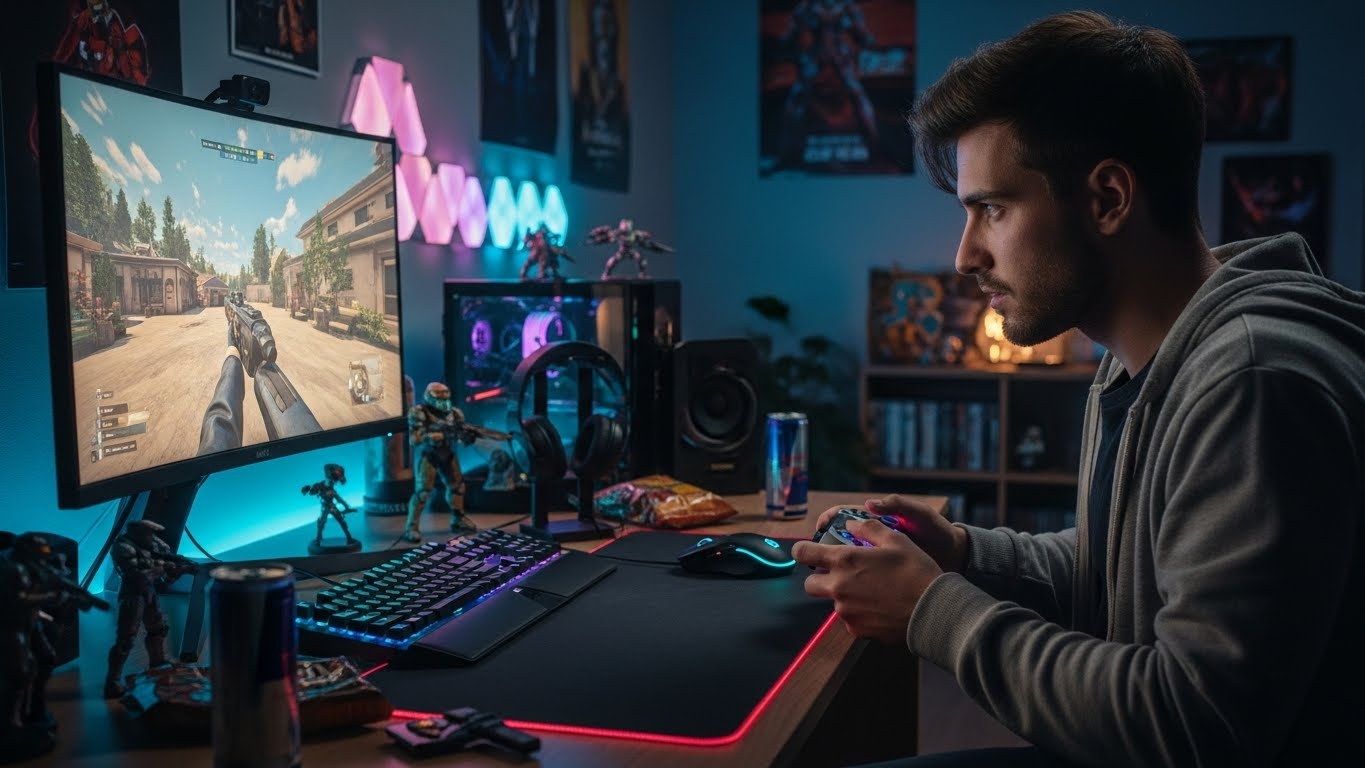
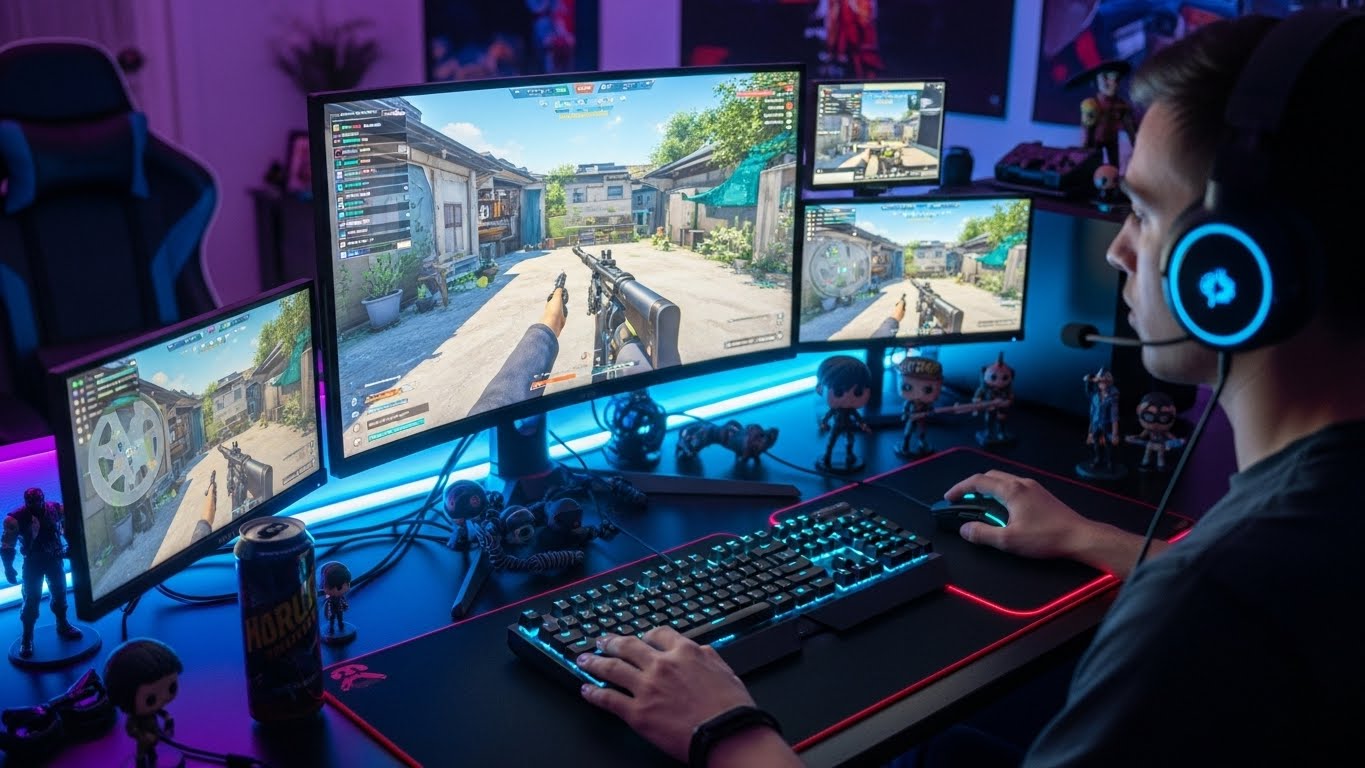
Gaming has grown from a niche hobby into a powerful cultural force that impacts millions of lives around the world. Once limited to simple consoles and pixelated screens, gaming has transformed into an immersive experience with complex stories, breathtaking graphics, and interactive worlds that rival movies in depth and emotion. What makes gaming unique is its ability to blend entertainment, social connection, creativity, and learning into a single experience. This blog explores the evolution of gaming, its cultural and psychological impact, and the role it plays in shaping the modern digital world.
The Evolution of Gaming Technology
The world of gaming has undergone a remarkable transformation since its inception. In the early days, arcade machines and simple home consoles offered basic gameplay with minimal graphics. Players focused on high scores and simple challenges. Over the years, advancements in technology revolutionized how games are made and experienced.
Today, games feature photorealistic visuals, intricate storylines, and artificial intelligence that adapts to players’ actions. Virtual reality and augmented reality have created immersive experiences where players can explore fantastical worlds as if they were physically present. Cloud gaming allows access to high-quality games without expensive hardware, breaking down barriers for new players. The rapid pace of technological innovation continues to redefine what games can offer, making the medium more engaging and accessible than ever before.
Gaming as a Social Platform
Modern gaming has evolved into a social experience that transcends geographical boundaries. Multiplayer games connect players from different continents, allowing them to collaborate, compete, and form friendships that often last for years. These interactions go far beyond the game itself, creating communities that share strategies, experiences, and even personal stories.
Social features in games, such as voice chat, guilds, and in-game events, encourage teamwork and communication. These virtual communities often provide a sense of belonging for players, particularly for those who may feel isolated in the real world. Gaming is no longer just about play; it is a medium that fosters meaningful connections and shared experiences.
The Psychological Benefits of Gaming
Gaming is often misunderstood as a purely recreational activity, but it can have significant psychological benefits. Many players use gaming as a way to relieve stress, unwind, and escape from the pressures of everyday life. Immersing oneself in a game can provide a sense of control and achievement, boosting mood and reducing anxiety.
Cognitive benefits are also evident. Strategy games enhance problem-solving and critical thinking skills, puzzle games improve memory and attention, and action games sharpen reflexes and hand-eye coordination. Games with rich narratives can evoke emotional responses, encouraging empathy and understanding of complex situations. Far from being mindless entertainment, gaming offers opportunities for mental growth, self-expression, and emotional resilience.
Learning and Development Through Gaming
One of the most underappreciated aspects of gaming is its potential as an educational tool. Many games require strategic planning, resource management, and decision-making, skills that translate to real-life situations. Simulation games teach organizational and management skills, while role-playing games encourage ethical thinking and problem-solving.
Some games are specifically designed for educational purposes, helping players learn about history, science, language, or math in an engaging manner. By combining challenge with reward, games make learning enjoyable and memorable. This interactive approach to education demonstrates that learning does not have to be confined to classrooms or textbooks—it can happen in a fun, immersive, and practical environment.
Creativity and Self-Expression in Gaming
Gaming is an incredible outlet for creativity. Modern games often allow players to design characters, build worlds, write stories, and customize virtually every aspect of gameplay. User-generated content has become an integral part of many games, with players sharing creations and collaborating on new ideas.
This freedom fosters imagination and innovation. Players create breathtaking virtual landscapes, design intricate structures, and develop narratives that rival professional storytelling. Gaming enables self-expression in ways that traditional media cannot, giving players the tools to shape experiences that reflect their individuality. This creative aspect of gaming has inspired countless artists, designers, and storytellers to explore new possibilities in both virtual and real-world projects.
Esports: The Professionalization of Play
Competitive gaming, known as esports, has turned gaming into a legitimate professional pursuit. Esports tournaments attract millions of viewers, feature substantial prize money, and showcase players who train rigorously to master their craft. Professional gamers work like athletes, honing strategies, analyzing opponents, and maintaining peak performance.
The rise of esports has also created career opportunities beyond gameplay. Commentators, analysts, coaches, event organizers, and content creators contribute to the thriving ecosystem. Esports demonstrates that gaming requires skill, dedication, and intelligence. It has reshaped perceptions of gaming, proving that it can be both a professional and rewarding endeavor, inspiring young players to pursue their passions with discipline and focus.
Technological Innovation Driven by Gaming
Gaming has consistently been at the forefront of technological innovation. Advancements in graphics, artificial intelligence, virtual reality, and interactive storytelling often originate from the gaming industry and later influence other fields. AI in games, for example, has led to smarter simulations in robotics, education, and healthcare.
Virtual reality and augmented reality are creating immersive experiences that blur the line between physical and digital worlds. Cloud-based gaming platforms allow players to access high-quality games on minimal hardware, expanding accessibility and convenience. In essence, gaming acts as a testing ground for future technology, offering a space where innovation meets entertainment and education.
Inclusivity and Accessibility in Gaming
Recent years have seen a growing emphasis on inclusivity and accessibility in gaming. Developers are designing games with features that accommodate players of all abilities, including customizable controls, visual aids, subtitles, and adjustable difficulty levels. These improvements ensure that everyone, regardless of physical or cognitive limitations, can enjoy gaming fully.
Inclusivity extends beyond accessibility to representation. Modern games increasingly feature characters from diverse backgrounds, cultures, and genders. Seeing oneself reflected in a game creates deeper emotional engagement and fosters empathy. By embracing inclusivity, the gaming industry is creating a more welcoming and equitable environment that celebrates diversity and promotes understanding.
The Cultural Impact of Gaming
Gaming has become an integral part of popular culture, influencing music, fashion, art, and social trends. Iconic game characters inspire cosplay, fan art, and merchandise, while in-game stories influence storytelling in movies and literature. Memes, online communities, and fan-made content demonstrate how gaming shapes digital culture and social interaction.
Games also explore complex themes such as morality, identity, and human relationships. Interactive storytelling allows players to experience consequences of their choices, making the medium a unique tool for reflection and empathy. Gaming has become a cultural mirror, reflecting societal values and encouraging players to think critically about the world around them.
The Future of Gaming
The future of gaming promises even more immersive and innovative experiences. Virtual reality and augmented reality will further blur the lines between physical and digital worlds. Artificial intelligence will create games that adapt to individual players, offering personalized experiences. Multiplayer worlds may evolve into social spaces as significant as real-world communities, where players work, learn, and socialize together.
Gaming is no longer confined to leisure; it is becoming a platform for creativity, education, and professional development. The medium’s potential to influence culture, technology, and human behavior is unprecedented. As gaming continues to evolve, it will play an increasingly significant role in shaping how people interact, learn, and experience life.
Conclusion: Gaming as a Life Experience
Gaming has grown far beyond its original purpose as a form of entertainment. It fosters creativity, enhances cognitive abilities, builds communities, and provides an escape from reality. From casual players to professional esports athletes, gaming offers meaningful experiences that resonate in real life.
The magic of gaming lies in its ability to combine storytelling, technology, social interaction, and personal growth. It challenges players, inspires innovation, and allows self-expression in ways that are deeply impactful. Gaming is not just a pastime; it is a reflection of human ingenuity, a cultural force, and a medium through which we explore imagination, connection, and the potential of technology.
In the worlds created by games, players find more than entertainment—they find opportunity, community, and inspiration. Gaming has become a powerful part of life, shaping the way we think, create, and connect in the modern digital era.