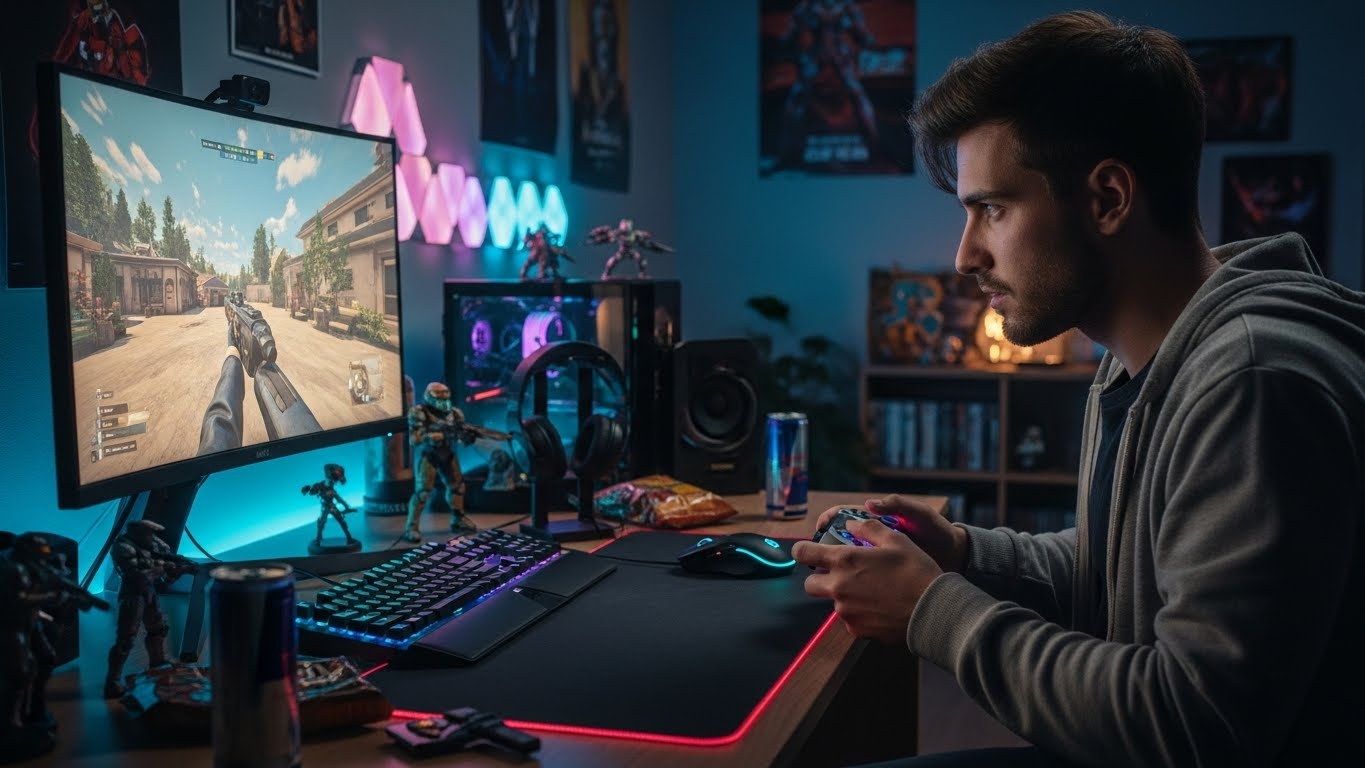
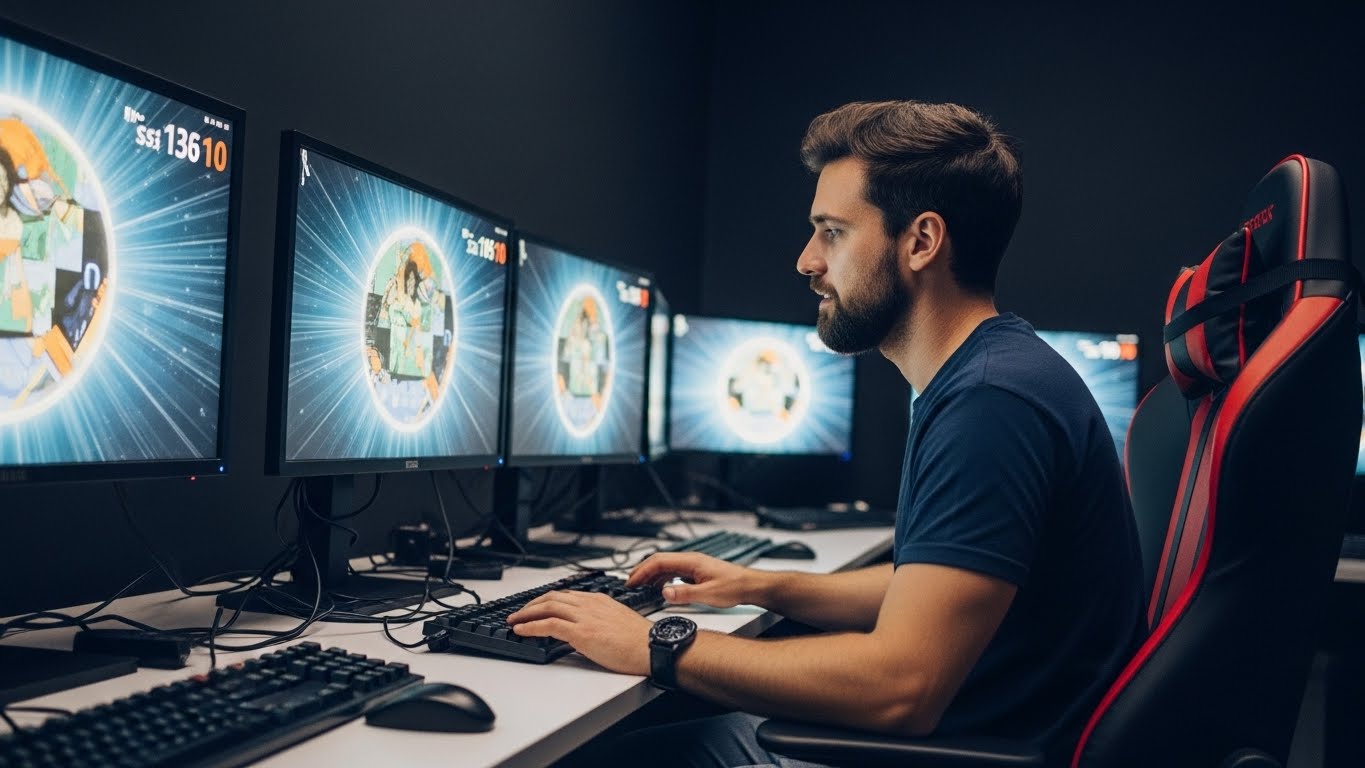
Gaming has evolved from a niche hobby into a global cultural phenomenon. Once considered a pastime for children or casual enthusiasts, gaming now spans every age group and demographic, influencing entertainment, technology, and social interaction. Modern games offer immersive experiences, competitive platforms, and even educational opportunities, proving that gaming is far more than mere entertainment.
This blog explores the evolution of gaming, its cultural and economic impact, technological innovations, social aspects, professional gaming, and the promising future of this dynamic industry.
The Evolution of Gaming
The history of gaming dates back decades, beginning with simple arcade machines and early home consoles. Classics like Pong and Space Invaders laid the foundation for interactive digital entertainment. As technology advanced, so did the complexity and realism of games, leading to titles that offered rich narratives, complex mechanics, and expansive worlds.
The introduction of home consoles, PCs, and handheld devices brought gaming into millions of households, making it more accessible than ever. Online connectivity revolutionized the industry, allowing players to compete and collaborate globally. Today, gaming spans multiple platforms, genres, and communities, establishing itself as a mainstream form of entertainment.
The Impact of Gaming on Culture
Gaming has influenced culture in profound ways. Games are no longer isolated experiences; they shape music, fashion, storytelling, and art. Iconic characters, storylines, and in-game events inspire fan creations, cosplay, and online communities, creating a cultural ecosystem around gaming.
Games also reflect societal trends and issues, providing narratives that explore ethics, identity, and social challenges. By doing so, gaming contributes to a broader cultural conversation, encouraging players to engage critically with themes and ideas presented within interactive experiences.
Gaming as a Social Platform
Beyond entertainment, gaming has become a social platform that connects people worldwide. Multiplayer games allow players to collaborate, strategize, and compete in virtual environments, fostering teamwork and communication skills. Online communities, forums, and social media enable gamers to share experiences, exchange tips, and build lasting friendships.
For many, gaming offers a sense of belonging and identity. Communities form around shared interests, favorite games, or competitive teams, creating spaces where individuals can express themselves and connect with others who share their passion.
Technological Innovations in Gaming
Technological advancements have transformed gaming into a sophisticated and immersive experience. High-definition graphics, realistic physics engines, and advanced AI create worlds that feel alive. Virtual reality (VR) and augmented reality (AR) push the boundaries of immersion, offering experiences that blend digital and physical realities.
Cloud gaming and high-speed internet connectivity have further enhanced accessibility, allowing players to stream games instantly without requiring expensive hardware. Mobile gaming has also grown exponentially, making games portable, convenient, and accessible to millions worldwide.
The Educational Potential of Gaming
Gaming is no longer confined to entertainment; it has educational applications as well. Certain games develop problem-solving, critical thinking, and strategic planning skills. Puzzle games, simulations, and strategy titles challenge players to think creatively and make decisions under pressure.
Educational games and gamified learning platforms combine engagement with skill development. They encourage students to explore subjects interactively, from science and mathematics to history and language. Gaming’s potential as an educational tool demonstrates its versatility and value beyond leisure.
Competitive Gaming and Esports
Competitive gaming, also known as esports, has transformed gaming into a professional industry. Esports tournaments attract millions of viewers worldwide, with players competing for significant prizes and recognition. Games like League of Legends, Dota 2, and Counter-Strike: Global Offensive have established professional circuits, with teams, coaches, and analysts contributing to a highly organized ecosystem.
Esports also fosters community engagement, drawing fans together to celebrate skill, strategy, and teamwork. The professionalization of gaming has created career opportunities not only for players but also for commentators, coaches, content creators, and event organizers, illustrating gaming’s economic and cultural significance.
The Psychological and Cognitive Benefits of Gaming
Research has shown that gaming can have positive effects on cognitive and psychological development. Games often require strategic thinking, quick decision-making, and resource management, enhancing problem-solving and multitasking skills. Certain action and puzzle games improve hand-eye coordination, spatial awareness, and reflexes.
Gaming can also serve as a stress-relief mechanism, providing an engaging escape from daily pressures. Social games, in particular, encourage collaboration and empathy, helping players develop communication and interpersonal skills in virtual environments.
Gaming and Creativity
Gaming fosters creativity by encouraging exploration, experimentation, and storytelling. Open-world games, sandbox environments, and level editors allow players to create content, build worlds, and design experiences that reflect their imagination.
Player-generated content, such as mods, fan art, and custom maps, has become a significant aspect of gaming culture. Creativity in gaming extends beyond the screen, inspiring artistic expression, storytelling, and innovation within and outside the gaming community.
The Economic Impact of Gaming
The gaming industry is a multi-billion-dollar global enterprise, driving innovation and economic growth. Revenue streams include game sales, in-game purchases, subscriptions, merchandise, streaming platforms, and esports tournaments. Major titles generate millions in sales and contribute to job creation across development, marketing, media, and event management sectors.
The industry also encourages technological development, influencing hardware advancements, software optimization, and user experience design. Gaming’s economic impact is vast, demonstrating its significance beyond entertainment and highlighting its role as a driver of innovation.
Gaming for Inclusion and Accessibility
Modern gaming emphasizes inclusion and accessibility, ensuring that people of all abilities can participate. Developers are incorporating features such as customizable controls, subtitles, colorblind modes, and adaptive devices to make games accessible to a broader audience.
Inclusive gaming communities foster diversity and representation, allowing players to connect regardless of gender, ethnicity, or physical ability. By embracing inclusivity, the gaming industry reflects societal progress and demonstrates the power of digital spaces to create equitable experiences.
The Future of Gaming
The future of gaming promises even greater immersion, interactivity, and social engagement. Technologies such as artificial intelligence, virtual reality, cloud gaming, and haptic feedback will create more realistic and engaging experiences. AI-driven NPCs (non-playable characters) and procedural content generation will make worlds feel dynamic and alive, enhancing replayability and player engagement.
Cross-platform and cloud-based gaming will increase accessibility, allowing players to connect and compete regardless of hardware or location. As gaming continues to evolve, it will remain a space where creativity, innovation, and social interaction converge, shaping entertainment and culture for generations to come.
The Role of Gaming in Society
Gaming has moved beyond its role as a pastime to become a societal force. It influences education, culture, socialization, and economic growth, bridging gaps between generations and communities. Games can raise awareness about social issues, inspire learning, and even promote mental health through structured gameplay and supportive communities.
Moreover, gaming encourages problem-solving, teamwork, and resilience, demonstrating its value as a tool for personal and professional development. Society increasingly recognizes gaming not just as entertainment but as a medium with transformative potential.
Conclusion
Gaming has evolved into a multifaceted phenomenon that touches nearly every aspect of modern life. It entertains, educates, fosters social connections, and drives economic growth. Technological advancements have made games immersive, accessible, and engaging, while competitive gaming and esports have elevated skill and strategy to professional levels.
Beyond the screen, gaming encourages creativity, problem-solving, and teamwork, highlighting its value beyond entertainment. Inclusive communities and educational applications demonstrate its positive societal impact, while technological innovations ensure that the industry will continue to grow and adapt.
In the end, gaming is more than a hobby—it is a cultural, social, and technological force that shapes how people connect, learn, and imagine. As the industry continues to evolve, its influence will expand, redefining entertainment, inspiring creativity, and creating experiences that resonate across generations.