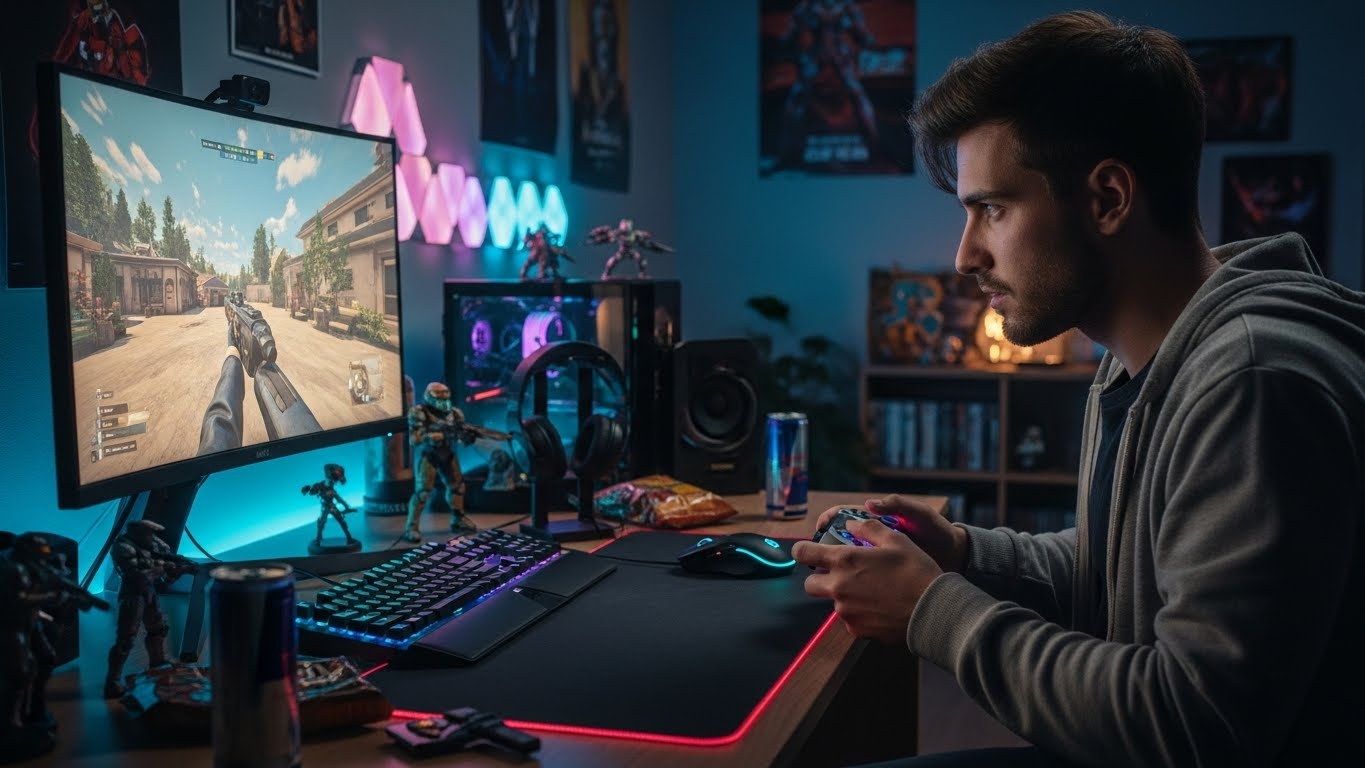
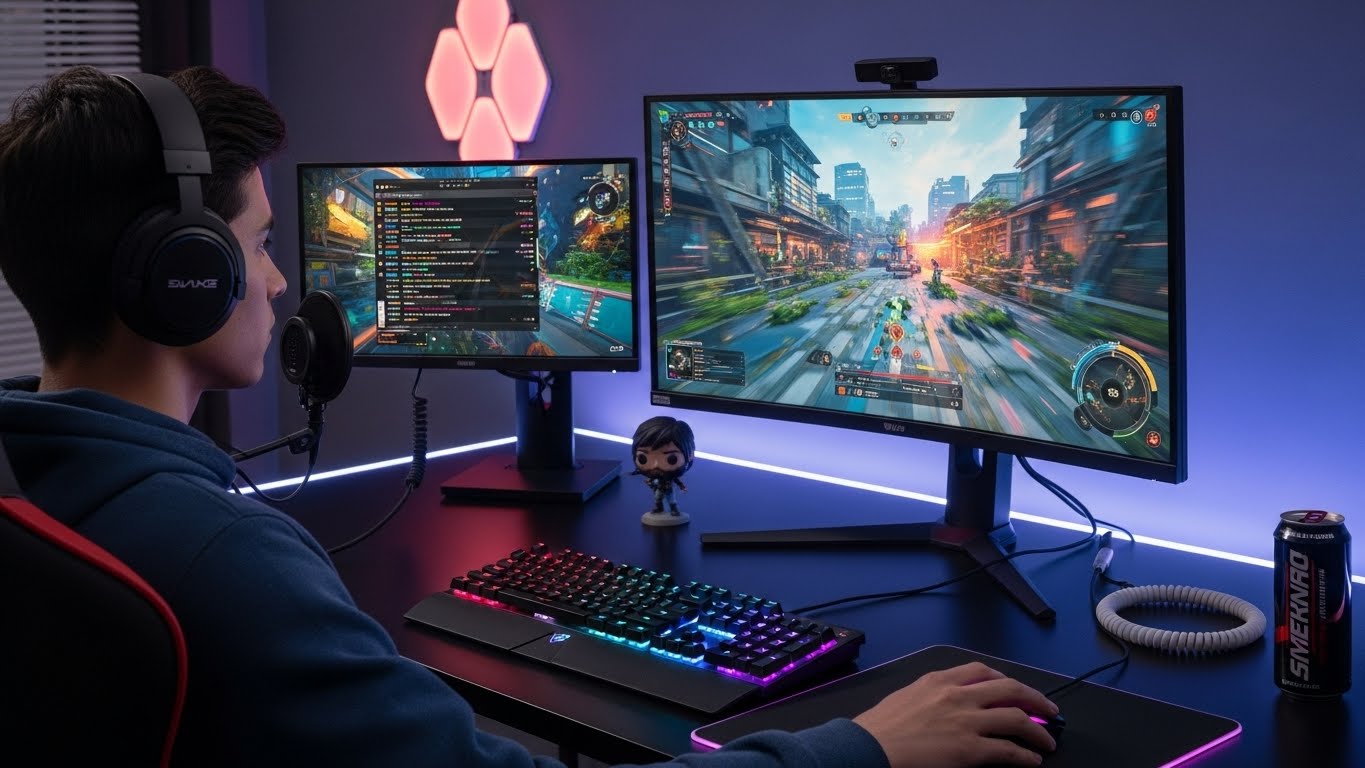
Gaming has evolved far beyond its early days as a niche hobby for children and teens. Today, it stands as a global phenomenon, shaping entertainment, culture, technology, and social interaction. From immersive storytelling in single-player adventures to competitive esports arenas and online multiplayer worlds, gaming offers experiences that transcend traditional forms of entertainment. It is no longer just a pastime—it is a dynamic industry influencing social trends, technological innovation, and even education.
This blog explores the evolution of gaming, its cultural and economic impact, technological advancements, social interactions, professional gaming, and the promising future of this vibrant industry.
The Evolution of Gaming
The journey of gaming began decades ago with simple arcade machines and early home consoles. Classics such as Pong, Space Invaders, and Pac-Man laid the foundation for interactive entertainment. These early games were limited in graphics and gameplay complexity, but they captivated audiences and sparked the imagination of future developers.
The introduction of home consoles like the Nintendo Entertainment System and Sega Genesis in the 1980s expanded gaming into households worldwide. The rise of PCs in the 1990s further advanced the industry, offering sophisticated simulations, strategy games, and role-playing experiences. Online connectivity in the 2000s transformed gaming into a global, social experience, enabling players to interact, collaborate, and compete in real-time.
Gaming as a Cultural Phenomenon
Gaming has become a cornerstone of modern culture, influencing music, fashion, media, and storytelling. Iconic characters, franchises, and in-game events inspire fan art, cosplay, and online communities. Gaming culture creates shared experiences that unite people across geographic and cultural boundaries.
Games also serve as a medium for exploring narratives, themes, and social issues. Players can engage in storytelling that encourages empathy, critical thinking, and problem-solving. This narrative depth demonstrates that gaming is more than entertainment—it is a form of artistic expression that shapes culture and personal identity.
The Social Side of Gaming
Gaming fosters social interaction in ways that traditional entertainment often cannot. Multiplayer games, online communities, and esports create opportunities for players to collaborate, strategize, and communicate in real time. Features like voice chat, clan systems, and leaderboards enhance teamwork and camaraderie.
For many, gaming serves as a social hub. Players build friendships, join global communities, and participate in collaborative events. Social interaction in gaming also fosters inclusion, allowing individuals from different backgrounds to connect through shared interests and experiences.
Technological Advancements in Gaming
Technology is at the heart of modern gaming, driving immersive experiences, realistic graphics, and dynamic gameplay. Advances in hardware, such as high-performance graphics cards and consoles, allow for visually stunning environments and smooth gameplay. Software innovations, including advanced AI and procedural generation, create worlds that are responsive and engaging.
Virtual reality and augmented reality are revolutionizing the gaming experience, providing fully immersive environments that blur the line between digital and physical reality. Cloud gaming and mobile platforms further enhance accessibility, enabling players to enjoy games without the need for high-end hardware. These technological innovations continue to expand the possibilities of gaming, making it more interactive and engaging than ever before.
Gaming and Education
Gaming is increasingly recognized for its educational potential. Certain games develop strategic thinking, problem-solving skills, and spatial awareness. Puzzle games, simulations, and strategy titles challenge players to make decisions under pressure, improving cognitive abilities and critical thinking.
Educational games and gamified learning platforms combine entertainment with skill development. They engage students interactively, allowing them to explore complex subjects in science, mathematics, history, and language. By making learning enjoyable and interactive, gaming provides tools for intellectual growth while maintaining high levels of engagement.
Competitive Gaming and Esports
Esports has elevated gaming into a professional industry, attracting millions of viewers worldwide. Players compete in tournaments for significant prizes, sponsorships, and recognition. Games like League of Legends, Dota 2, Counter-Strike: Global Offensive, and Fortnite have established professional circuits with teams, coaches, analysts, and event organizers.
Esports also drives social engagement. Fans follow tournaments, cheer for their favorite players, and participate in online discussions and communities. The professionalization of gaming demonstrates the industry’s economic and cultural significance, highlighting the skill, strategy, and dedication required to compete at the highest levels.
Cognitive and Psychological Benefits of Gaming
Research shows that gaming can positively impact cognitive and psychological development. Action games improve reflexes, hand-eye coordination, and decision-making speed. Strategy games enhance planning, resource management, and multitasking abilities. Role-playing games encourage creativity and problem-solving while fostering empathy through storytelling.
Gaming can also serve as a stress-relief mechanism. Immersive gameplay provides an outlet for relaxation, focus, and mental stimulation. Social and cooperative games enhance communication skills and encourage teamwork, contributing to overall psychological well-being.
Gaming and Creativity
Creativity is a core aspect of modern gaming. Open-world and sandbox games allow players to build, explore, and create unique experiences. Player-generated content, including mods, custom maps, and fan art, further expands the creative possibilities within gaming.
By encouraging experimentation and innovation, gaming fosters artistic expression, narrative development, and technical skill. The industry also inspires creative careers in game design, animation, music composition, and storytelling, demonstrating that gaming is a platform for both consumption and creation.
Economic Impact of Gaming
The gaming industry is a major economic force, generating billions in revenue through game sales, in-game purchases, subscriptions, streaming, and esports. It creates employment opportunities across multiple sectors, including software development, design, marketing, media production, and event management.
Gaming also drives technological innovation in graphics processing, AI, virtual reality, and cloud computing. Its economic impact extends beyond direct revenue, influencing ancillary industries such as entertainment, hardware manufacturing, and digital media.
Inclusion and Accessibility in Gaming
Modern gaming emphasizes inclusion and accessibility, ensuring that individuals of all abilities can participate. Features like customizable controls, colorblind modes, subtitles, and adaptive devices make games more accessible to a broader audience.
Inclusive gaming communities foster diversity, representation, and social connection. By embracing accessibility, the gaming industry creates equitable experiences that cater to players regardless of gender, background, or physical ability. This focus on inclusion strengthens the cultural and social relevance of gaming.
Gaming Trends Shaping the Future
The future of gaming is defined by immersive technology, interactive storytelling, and social connectivity. Artificial intelligence will create more responsive and intelligent non-player characters, enhancing gameplay depth. Virtual and augmented reality will provide unprecedented levels of immersion, while cloud gaming will make high-quality experiences accessible to all players.
Cross-platform integration allows players to connect and compete across devices, increasing engagement and inclusivity. As gaming technology evolves, the industry will continue to expand, offering novel experiences, diverse genres, and innovative forms of entertainment.
Gaming as a Cultural and Social Force
Gaming is not merely entertainment; it is a social and cultural force that shapes trends, influences media, and connects communities. It encourages collaboration, critical thinking, and creative expression while providing a platform for diverse voices.
Gaming culture fosters shared experiences that transcend geography, allowing players to engage globally while maintaining a sense of identity within niche communities. From storytelling and esports to interactive media, gaming continues to influence entertainment, culture, and social interaction worldwide.
Challenges in Gaming
Despite its growth and benefits, gaming faces challenges, including concerns about addiction, screen time, and equitable access. Responsible gaming initiatives, parental guidance, and educational programs are essential to mitigate potential negative impacts.
Additionally, developers and platforms must address cybersecurity, fair play, and ethical monetization practices. By prioritizing responsible design and player well-being, the industry can ensure sustainable growth and positive experiences for all participants.
Conclusion
Gaming has evolved into a multi-faceted industry that entertains, educates, and connects people globally. From its early days in arcades and consoles to today’s immersive, online, and mobile experiences, gaming continues to redefine entertainment and culture.
It offers social interaction, cognitive development, creativity, and economic opportunities while driving technological innovation. Esports, inclusive communities, and digital storytelling demonstrate the cultural and social relevance of gaming beyond mere leisure.
As technology advances and the gaming community grows, the industry will continue to expand its influence, offering new experiences, deeper engagement, and transformative entertainment. Gaming is no longer just a pastime—it is a cultural phenomenon, a platform for creativity, and a testament to the power of interactive entertainment in the modern world.